These large appliance removal FAQs explain what pickup includes, which items services accept, and how safe disposal works. Large appliance removal may cover refrigerators, freezers, washers, dryers, stoves, ovens, and dishwashers. The final cost depends on size, access, labor, condition, and disposal needs, with the final amount confirmed on a quote.
Table of Contents
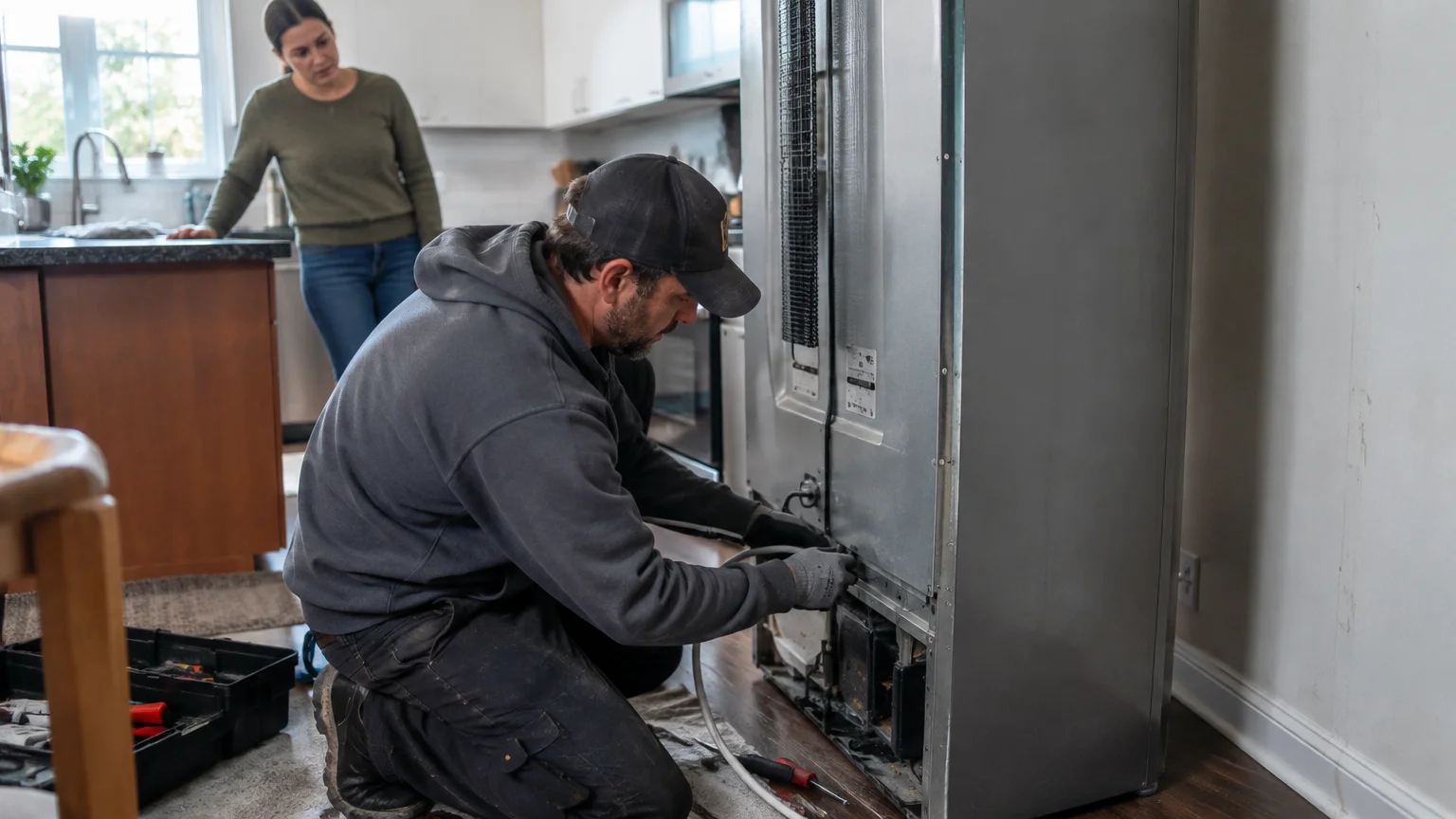
- What Does Large Appliance Removal Include?
- How Much Does Large Appliance Removal Cost?
- Can Large Appliances Be Recycled?
- How Are Refrigerators and Freezers Disposed Of?
- What Should You Know About Washer, Dryer, Stove, and Dishwasher Removal?
- How Do You Prepare for Large Appliance Pickup?
- How Can You Choose a Responsible Appliance Removal Service?
- Frequently Asked Questions
- Key Takeaways
- Conclusion
What Does Large Appliance Removal Include?
Large appliance removal usually includes lifting, carrying, loading, transport, and proper disposal or recycling. It can help homeowners, landlords, property managers, and business owners clear items from a home or work site. The service is useful for appliances that will not fit in a normal car or truck.
Which appliances are typically accepted?
Most large appliance removal services accept common household units, including:
- Refrigerators and chest freezers
- Washing machines and clothes dryers
- Electric and gas stoves
- Ovens and cooktops
- Dishwashers and compactors
- Water heaters, when local rules allow them
Acceptance differs by company and location. A provider may ask about gas lines, built-in units, damage, or unusual size. Bend OR Junk Removal can help Bend homeowners learn which items fit the planned pickup before the crew arrives.
Some companies also remove appliances from rental homes, offices, shops, and small businesses. Several units may need removal after a remodel or tenant move-out. A business owner may also need old break-room appliances cleared during an office cleanout. Similar questions often come up in office cleanout FAQs and retail removal FAQs.
When is professional removal helpful?
Professional help is useful when an appliance is heavy, hard to hold, built in, or far from the vehicle. A refrigerator may need careful movement through a narrow door. A washer may still contain water. A gas range may need safe disconnection by a qualified person.
A homeowner usually does not need a professional to wipe an appliance, remove loose shelves, or clear a safe path. The homeowner should not cut gas lines, disconnect unknown wires, or handle leaking refrigerant. Those tasks can lead to fire, injury, or harm to the environment.
How Much Does Large Appliance Removal Cost?
Large appliance removal has no single cost for every job. The final amount depends on the item, access, labor, travel distance, local rules, and special handling. A quote should confirm the final cost after the provider reviews the job details.
What factors affect the final cost?
The appliance type is one key factor. A small dishwasher is often easier to move than a large refrigerator or commercial freezer. A heavy item may need more workers or special moving tools.
Access matters too. Stairs, tight halls, long walks, uneven ground, and limited parking can make removal harder. A built-in oven may take more work than a freestanding stove. Broken wheels, sharp metal, or a stuck door may also require extra care.
Disposal needs can affect the quote as well. Refrigerators and freezers may contain refrigerant and other parts that need approved handling. Some areas have special rules for insulation, oils, or electrical parts.
Share clear details before booking. Useful facts include the appliance type, size, floor location, stairs, doorway width, and whether the unit connects to gas, water, or power. A large appliance job is often more involved than light clutter removal, while one small unit may be simpler than a full house cleanout.
Bend OR Junk Removal can explain which details affect a pickup. The final cost should be confirmed on a quote before work begins. Compare the work included, disposal plan, access needs, and timing instead of looking at one amount alone.
Can Large Appliances Be Recycled?
Yes, many large appliances can be recycled in part or in full. Recycling means a facility removes useful materials and sends them into a new production process. It does not always mean every part is reused.
Which appliance materials can be recovered?
Large appliances often contain steel, aluminum, copper, glass, plastic, wires, and electronic parts. Metal is often sorted and prepared for reuse. Motors, compressors, shelves, and controls may also have useful parts.
A recycling center may inspect the appliance first. It can then remove fluids, separate risky parts, and prepare the outer shell for metal recovery. Some items go to a special processor instead of a general scrap facility.
The final path depends on the appliance condition and local rules. A clean, complete unit may be easier to process than one mixed with other debris. A service that sorts its loads can send more materials to the right facility.
How are refrigerants and other hazardous components handled?
Refrigerant is a chemical used in many cooling systems. It must be removed with proper equipment before the appliance is crushed or recycled. Homeowners should never puncture a cooling line or release refrigerant.
Other parts may need care too. These include oils, batteries, capacitors, mercury switches, insulation, and electronic controls. A responsible provider asks about the appliance and follows local disposal rules.
Customers can ask where the appliance will go after collection. The answer may include a recycling center, transfer station, reuse center, or special appliance processor. No provider can promise that every part will be recycled, but a good provider should explain the planned process clearly.
How Are Refrigerators and Freezers Disposed Of?
Refrigerators and freezers need special disposal because they contain cooling systems, refrigerant, oils, and insulated parts. They should be collected by a service that knows how to manage these materials. They should not go with normal trash unless the local program clearly accepts them.
Why do refrigerators require special handling?
A refrigerator can contain refrigerant inside sealed tubes. Older units may contain chemicals with greater environmental risks. Newer units still need proper recovery and processing. The compressor may also contain oil and valuable metal.
The appliance should be emptied and disconnected before it moves. A provider may keep it upright during transport. This can help limit spills and protect the cooling system, although the crew will choose the safest method.
Local programs may offer appliance recycling events, utility take-back plans, or scheduled pickup. Rules differ across Bend and other parts of Oregon. Check the local program or ask the removal company before placing a refrigerator at the curb.
What should homeowners do before refrigerator pickup?
Remove all food, shelves, drawers, magnets, and loose items. Defrost the unit when possible. Dry water from melting ice before pickup.
Leave cooling lines and the compressor alone. Do not cut the cord, remove the back panel, or puncture a pipe. If the refrigerator connects to an ice maker, a qualified person should handle the water line when needed.
Keep children and pets away from an abandoned appliance. A refrigerator door can create a serious safety risk if a child climbs inside. Before leaving a unit unattended, remove the door or secure it open so nobody can become trapped.
What Should You Know About Washer, Dryer, Stove, and Dishwasher Removal?
Washers, dryers, stoves, and dishwashers often qualify for large appliance removal. Each item has different preparation needs. Water, gas, electricity, heat, and built-in fittings can affect how it is disconnected and moved.
How should appliances be prepared for removal?
A washer should be empty, drained, and disconnected from water when safe. Secure or remove the hoses. A dryer should be empty and disconnected from power. Gas dryers need extra care around the gas line.
Clear pans, racks, and loose parts from a stove or oven. A qualified person should disconnect a gas appliance when needed. A dishwasher may need removal from below a counter, along with its water, drain, and electrical connections.
Homeowners can clean surfaces and remove loose items themselves. They should not work on live wires, gas fittings, or unknown connections. When unsure, ask the provider what must be done before pickup.
Are built-in or damaged appliances accepted?
Many providers accept built-in or damaged appliances, but discuss the job first. A built-in unit may need careful removal from cabinets, counters, walls, or floors. The service may ask whether another professional must disconnect it before arrival.
Broken appliances can have sharp edges, loose glass, leaking fluids, or unstable doors. Describe these problems clearly. This helps the crew plan safe lifting and loading.
Washer and dryer pickup may include stacked units. The service needs to know if the units are joined together or sit near a stairway. A clear description helps the provider choose the right crew and tools.
How Do You Prepare for Large Appliance Pickup?
Start by checking the route from the appliance to the vehicle. Clear boxes, rugs, tools, toys, and small furniture from the path. Doors should open wide enough for the appliance and the people carrying it.
What access details should you check first?
Measure narrow doors, halls, gates, and stair turns when possible. Check for steps, steep driveways, soft ground, low ceilings, and parking limits. Photos can help the provider understand the route before arrival.
Apartment residents should check building rules, elevator access, loading zones, and move-out times. Property managers should confirm whether the appliance is in a basement, garage, storage room, or empty unit. Business owners should identify customer areas and work zones that must stay open.
Protect floors and walls when moving an appliance through a finished space. The crew may bring moving tools, but point out fragile surfaces, recent repairs, and known hazards.
What information helps arrange an efficient pickup?
Share the appliance type, size, number of units, floor location, and access conditions. Also mention whether the item works, is damaged, built in, stacked, or connected to gas or water.
Photos can help if the company accepts them. Show the appliance, nearby doorway, stairs, and path to the vehicle. This reduces surprises and supports a clearer quote.
Customers can ask Bend OR Junk Removal about preparation steps before the pickup. Service may cover nearby places in the Bend area, including Old Mill District, Awbrey Butte, Redmond, Sisters, Tumalo, and Sunriver, depending on the job and local rules. Wait for confirmation before placing an appliance outside or disconnecting a difficult unit.
How Can You Choose a Responsible Appliance Removal Service?
A responsible service explains what it accepts, how it handles special items, and where appliances may go. It should answer questions clearly instead of saying every unit will be recycled. Confirm the service area, access plan, and final quote as well.
What questions should you ask about disposal and recycling?
Useful questions include:
- Which large appliances does the service accept?
- Must the customer disconnect gas, water, or power first?
- How are refrigerators and freezers handled?
- Are appliances sorted for reuse, recycling, or disposal?
- Can the service handle stairs, built-in units, or damaged items?
- What details are needed to confirm the quote?
The answers should match the appliance and local rules. A provider should not ask a homeowner to release refrigerant, cut gas lines, or perform unsafe electrical work. Ask whether the company works with a recycling center or special appliance processor.
What happens after the appliance is collected?
The appliance may go to a reuse center, recycling facility, transfer station, or approved disposal site. The destination depends on its condition, parts, and local rules. Reusable units may be separated from broken ones.
A careful provider protects the property during removal and checks the area afterward. Ask whether the crew will sweep up small debris and whether items must be separated before pickup. These questions also help when comparing junk removal with professional furniture removal or a larger house cleanout.
Frequently Asked Questions
How do you get rid of a refrigerator?
Use a local appliance pickup service, retailer take-back program, utility program, or approved recycling event. Empty and defrost the refrigerator first. Do not puncture cooling lines or release refrigerant. The provider should explain how it will be moved and processed.
How should someone dispose of old appliances?
The best choice depends on the appliance and local rules. Check municipal collection, recycling events, retailer programs, or a junk removal service. Large units usually need special transport. Gas, water, electrical, refrigerant, and sharp parts must be handled safely.
What happens to old appliances after pickup?
Old appliances may be sorted for reuse, metal recovery, parts salvage, or disposal. Refrigerators and freezers need refrigerant recovery before processing. A responsible service sends each item to a suitable facility when possible. The result depends on the appliance condition and local options.
Can a junk removal service take appliances from a basement?
Many services can remove basement appliances, but stairs, narrow turns, low ceilings, and vehicle access matter. Share those details before booking. A large or damaged appliance may need extra planning. The provider should confirm that the route is safe.
Does appliance removal include trash removal too?
Some companies combine appliance pickup with other junk removal. Others limit a booking to listed items. Describe all materials before the appointment, including furniture, boxes, debris, or household trash. The provider can then confirm what the planned service accepts.
Key Takeaways
- Large appliance removal FAQs often cover refrigerators, freezers, washers, dryers, stoves, ovens, and dishwashers.
- Refrigerators and freezers need special care because of refrigerant, oils, and cooling parts.
- Homeowners can clean and empty appliances but should avoid gas, wiring, and refrigerant work.
- Access, condition, stairs, and built-in fittings can affect the final cost.
- Ask where appliances go after collection and whether useful materials are recovered.
Conclusion
Large appliance removal is easier when the item, route, and safety concerns are shared early. Refrigerators and freezers need special care. Washers, dryers, stoves, and dishwashers may need safe disconnection before pickup.
A clear plan helps homeowners, landlords, property managers, and business owners avoid delays. Bend OR Junk Removal helps people plan appliance pickup and disposal with clear information about accepted items and access.
For local help with large appliance removal, Contact us today to arrange a pickup and confirm the job details.
If you are not sure what you are dealing with, it is worth having someone look at it before it turns into a bigger job. Get in touch with Bend OR Junk Removal today and we will tell you where you stand.